
Tiny Experiments for Tiny Learners
When it comes to trying something new, it’s not always easy, and we tend to retreat from what feels uncertain to what feels familiar.
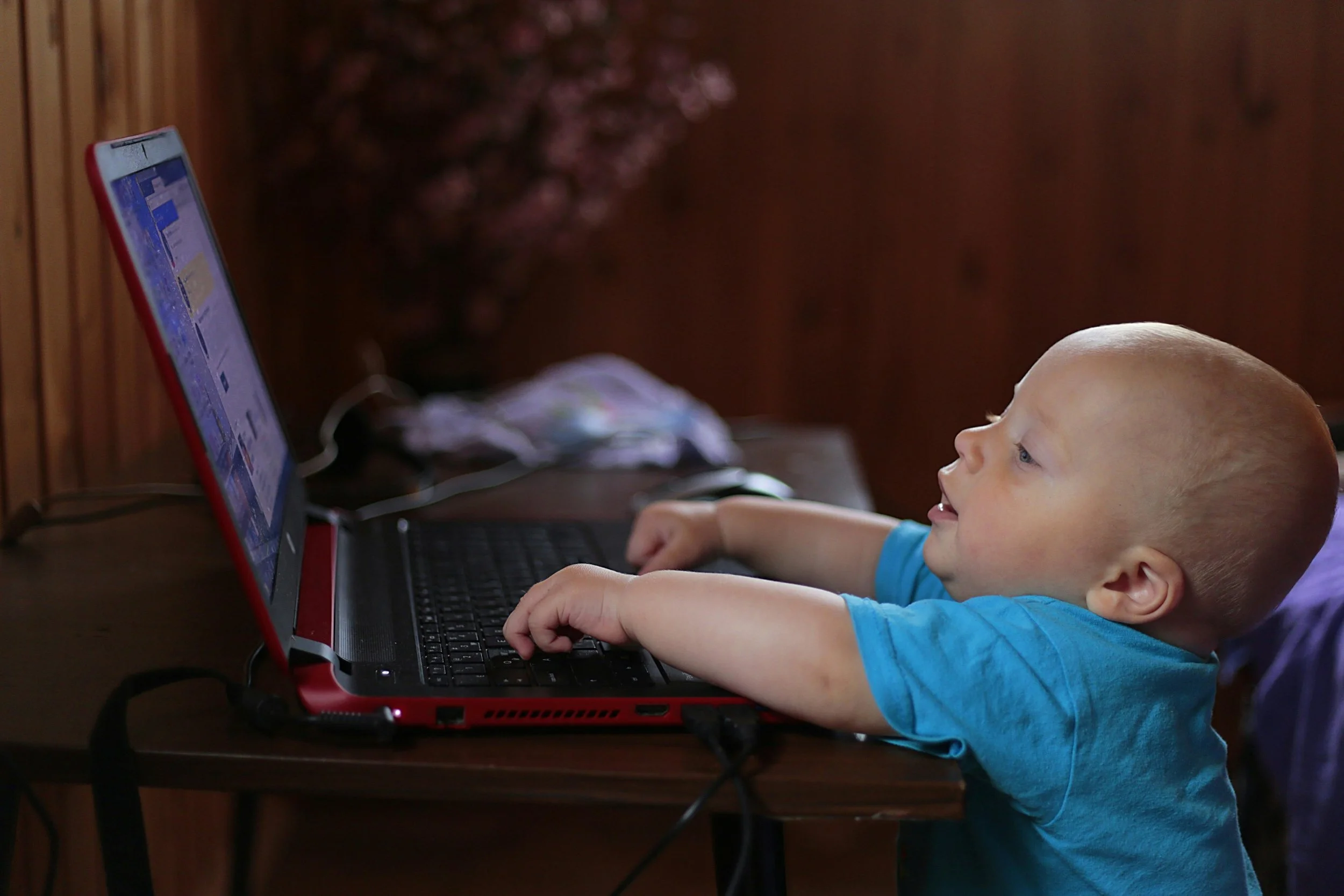
AI Insights: The Digital Childhood
Roblox. Youtube. TikTok. Fortnite.
If you ask any 8–14-year-old how they like to spend their time, I guarantee one of these platforms comes up. Move aside, food pyramid- these are the real major groups of what kids are consuming these days. Digitally, I mean.

Beyond the Target: Guiding Students in an AI-Driven Future
In a recent talk by Rebecca Winthrop at SXSW Edu on “How to Support Resilient Youth in an AI World,” she mentioned that what worries her most when it comes to AI and our students is the underlying demotivation, with students asking questions like “AI chatbots can do everything, what am I doing here?” and “What is my role as a human being?”

In the age of AI, is studying the humanities more important than STEM?
Earlier this month, ABC News posted an interview with Daniela Amodei, co-CEO of Anthropic. You can find that interview here.
During the interview, Amodei explained that she believes studying the humanities will be more important than ever. She added that while AI is highly advanced in STEM fields, humans should focus on what makes us uniquely human: understanding ourselves and our history, recognizing what drives us, developing strong critical thinking skills, and maintaining the ability to meaningfully interact with others.
So if AI is good at STEM, where does that leave STEM education?